Picture hanging, plus the mirrors, shelves and curtains
Hung level, spaced right, and fixed into something that will still be holding it in ten years.
- Gallery walls laid out on paper first
- Heavy mirrors into studs or rated anchors
- Curtain rods and blinds
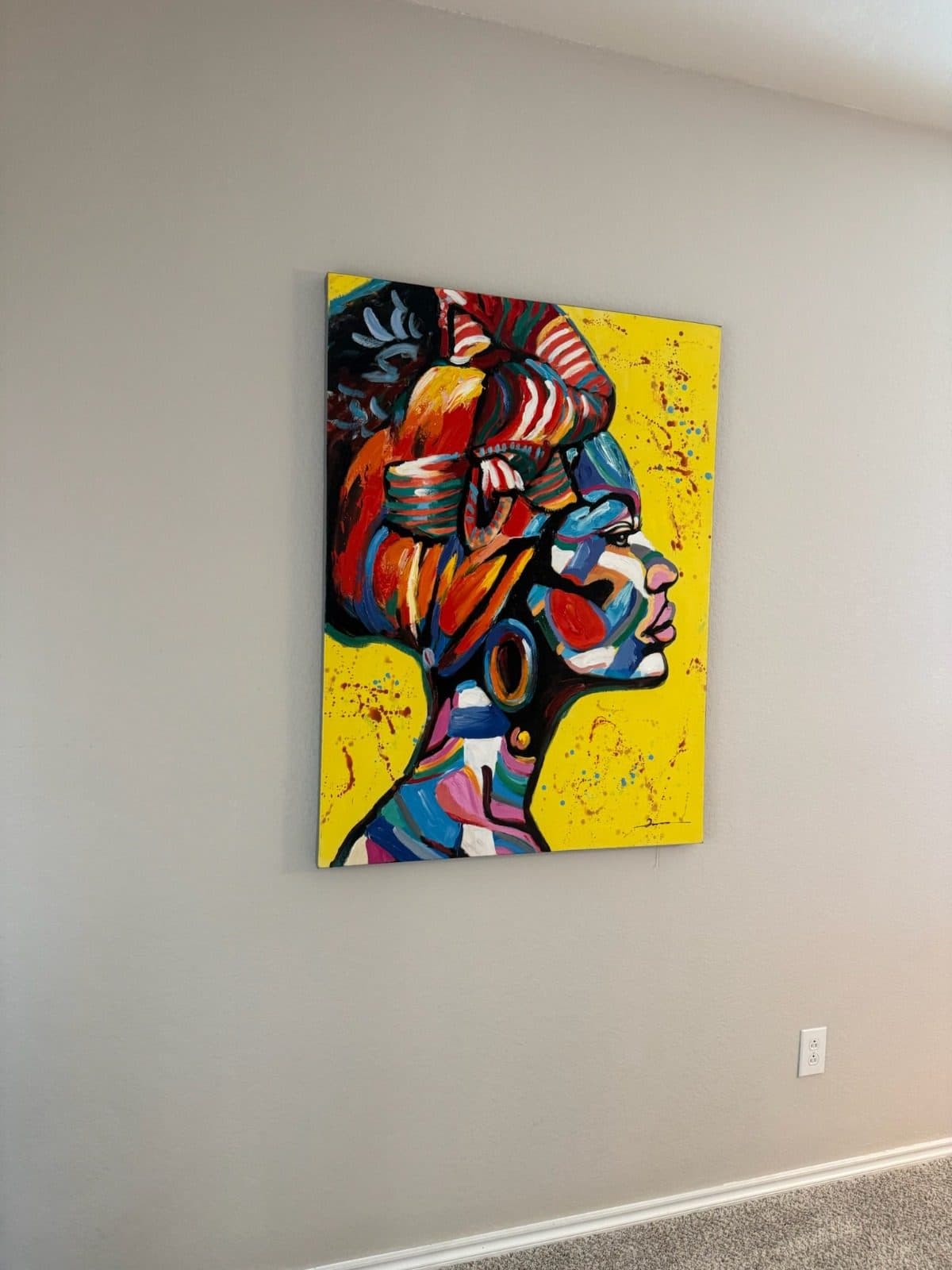
What does picture hanging include?
LocalHandyPro does picture hanging across Dallas–Fort Worth for everything that goes on a wall and has to stay there. Framed art and canvases, a gallery wall of twelve mismatched frames, a floor mirror that's really too heavy to lean, floating shelves, coat hooks, curtain rods and blinds.
Most of the job is deciding where things go and what's behind the drywall. We use a laser level and a stud finder, and we bring anchors rated for what's going up, since the ones in the box rarely are.
A visit usually clears a whole house's worth of it. The pictures that have been leaning against the wall since the move are a common first job, and they tend to come with a list.
What's in the job, and what isn't
What we do
What we don't
Plug-in picture lights and battery shades are fine. Anything that needs a new wire in the wall is an electrician's job.
How booking works
Send the job
Send photos of what's going up and the wall it's going on. Rough weights help for mirrors.
Get the price
We reply within 24 hours with one price for the whole list. Nothing is booked until you say yes.
Look it over with us
Before we pack up, you walk through the finished work with whoever did it.
Good to know
Call (469) 577-1791As many as you have. Pricing works better as one list than piece by piece, so send everything, including the curtain rod in the guest room you'd half forgotten.
Yes: screws, anchors rated for the weight, picture wire and D-rings if the frame needs them. The little plastic plugs that come in the box with most mirrors go in the trash.
Center it about 57 to 60 inches off the floor, which is the height most galleries use, and it'll look right in most rooms. Over a sofa or a console, leave 6 to 10 inches between the furniture and the bottom of the frame so the two read as one group.
Wider and higher than the window. Put the rod a few inches below the ceiling and let it run 8 to 12 inches past the frame on each side. The window looks taller, and the curtains clear the glass when they're open instead of blocking half the light.
If the frame is deep enough for the headrail; the product page lists the minimum depth. Measure before you order, or send a photo of the window with a tape measure held across the frame and we'll check for you.
Can a heavy mirror go on drywall?
Yes, if it isn't relying on the drywall to hold it. A big mirror goes into at least one stud, and wherever a stud doesn't line up with the hanger, into a toggle or metal anchor rated well over the mirror's weight. A French cleat is often the best answer for anything over about 50 pounds: two interlocking strips, one screwed into the wall across several studs and one on the back of the mirror.
Mirrors over a bathroom vanity sometimes hang on clips at the bottom and top instead. Either way, it gets checked with some weight on it before anyone lets go.
How do you hang a gallery wall?
On paper first. We trace each frame onto kraft paper, tape the shapes to the wall and move them around until you like the arrangement. Only then does a nail go in, through the paper, where each hook sits. Keep the gaps between frames the same, 2 to 3 inches, and the mix of frame sizes stops mattering.
A new TV often sits in the middle of all this, which is TV mounting. Old holes from the last owner's art get filled and painted, and the rest of the list goes in as handyman services.