Handyman in Dallas, from the M Streets to Lake Highlands
An M Streets Tudor and an Uptown condo need different anchors, and the Tudor may need a city certificate before anything changes outside. Send the list; the price comes within 24 hours.
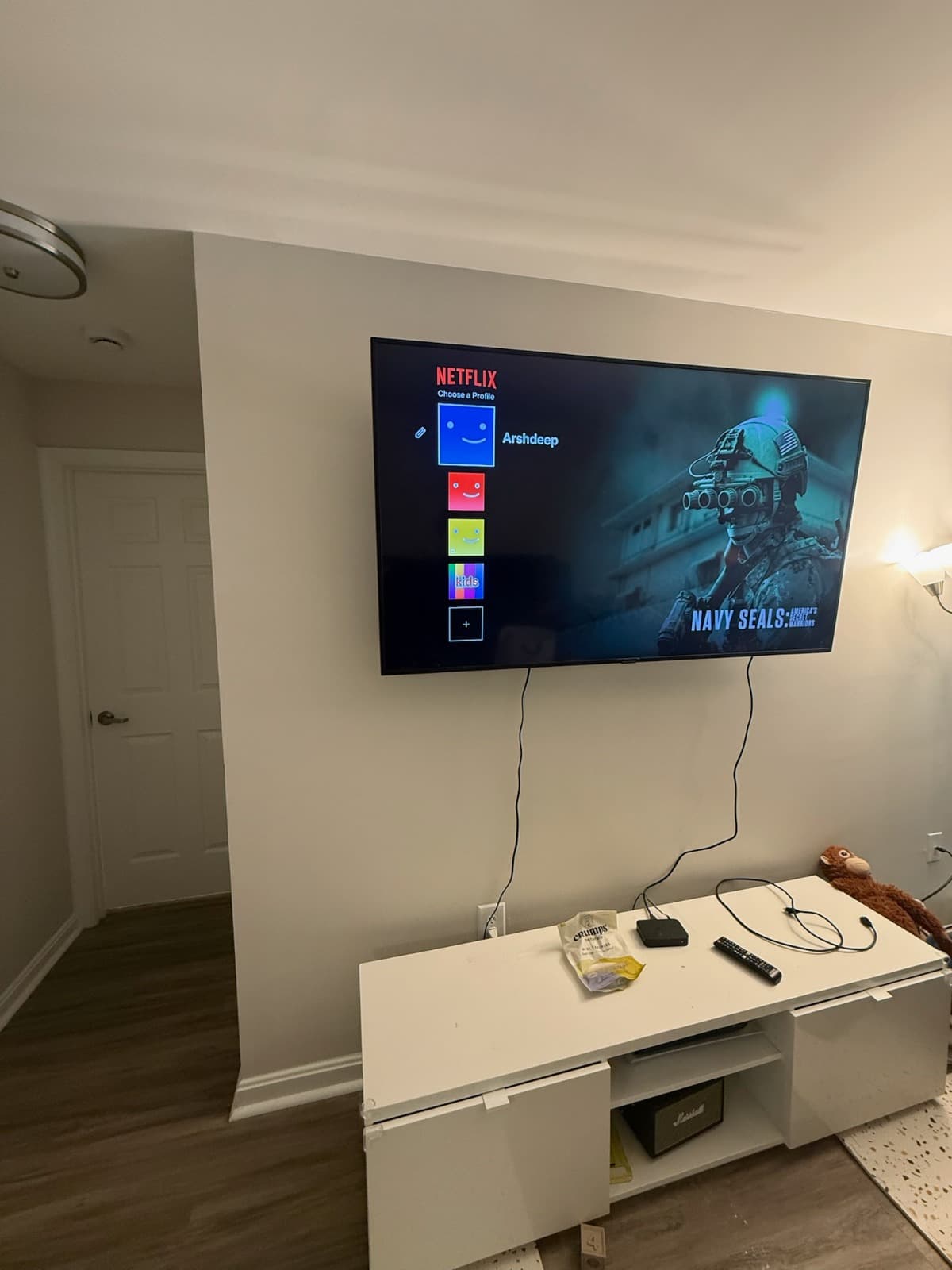
Dallas houses run from 1910 four-squares to towers finished last year, and our handyman visits go to all of them. The list itself is usually familiar (a TV to mount, a door that stopped latching, a dent in the drywall) and it's all part of our handyman services. What changes in Dallas is the house, and in some neighborhoods, the rules.
What's different about older Dallas houses?
A lot of Dallas was built before 1950. Lakewood runs from early-1900s Craftsman houses and Prairie four-squares through Tudors to early ranches, many of them faced in Austin stone. The M Streets are mostly 1920s Tudors with arched doorways and stained glass. Winnetka Heights, in Oak Cliff, has more than 600 wood-frame houses from around 1910.
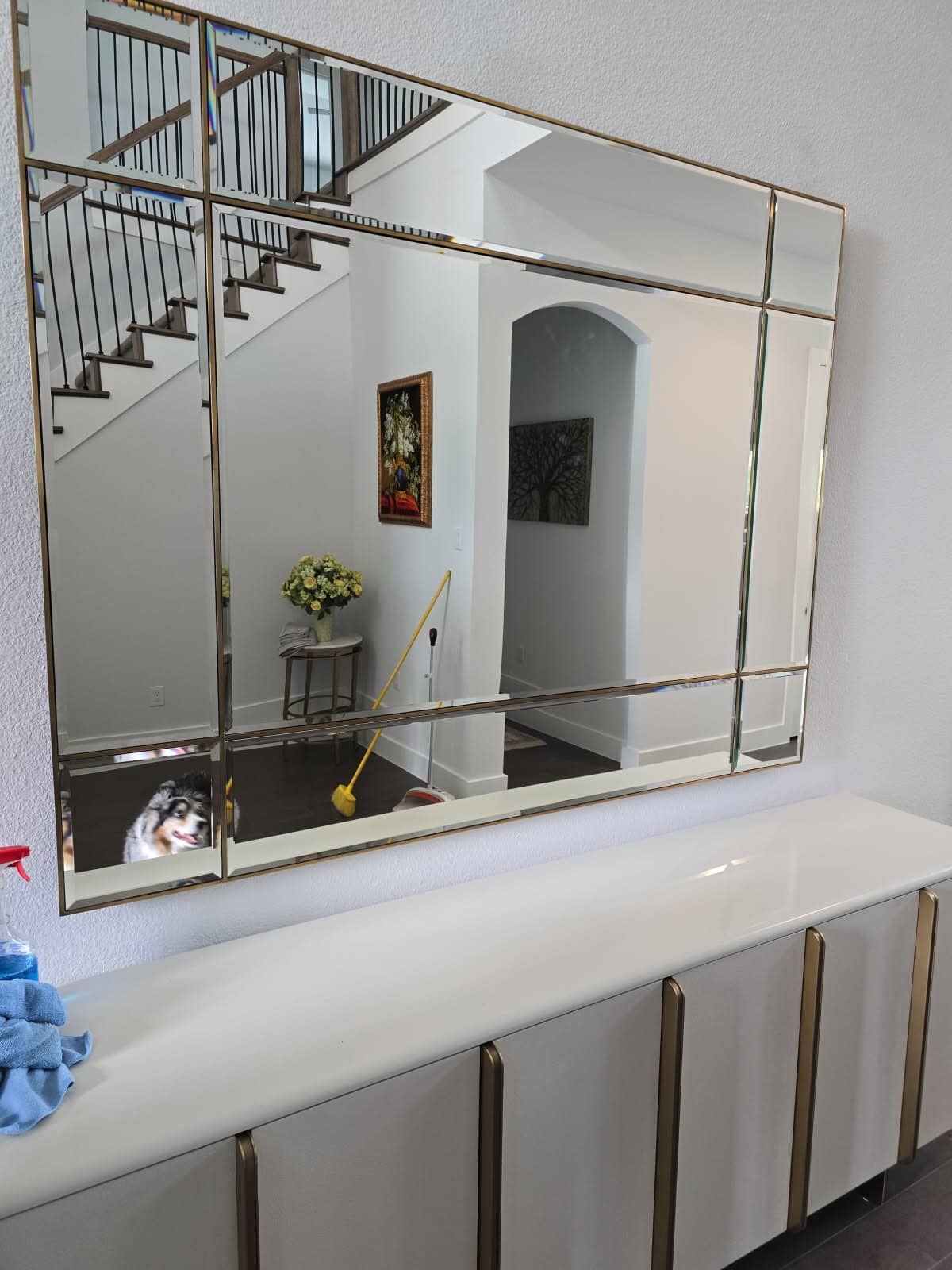
Older houses are slower work, and we'd rather say so up front. Walls are often out of square and the studs aren't always where a modern stud finder expects, so a TV mount or a heavy mirror gets a test hole before anything goes up.
Do I need approval in a Dallas historic district?
For outside work, often yes. Swiss Avenue, Munger Place, Junius Heights and Winnetka Heights are Landmark districts, and the city wants a Certificate of Appropriateness before any exterior work starts there. Even routine maintenance needs one, although staff can sign that off within 20 days: a fence, gutters matching the trim, a repaint in an approved color.
Conservation districts, the M Streets, Lakewood and Kessler Park among them, work differently. City staff review exterior changes on top of any building permit. None of it applies indoors.
Does a shed or patio cover need a permit?
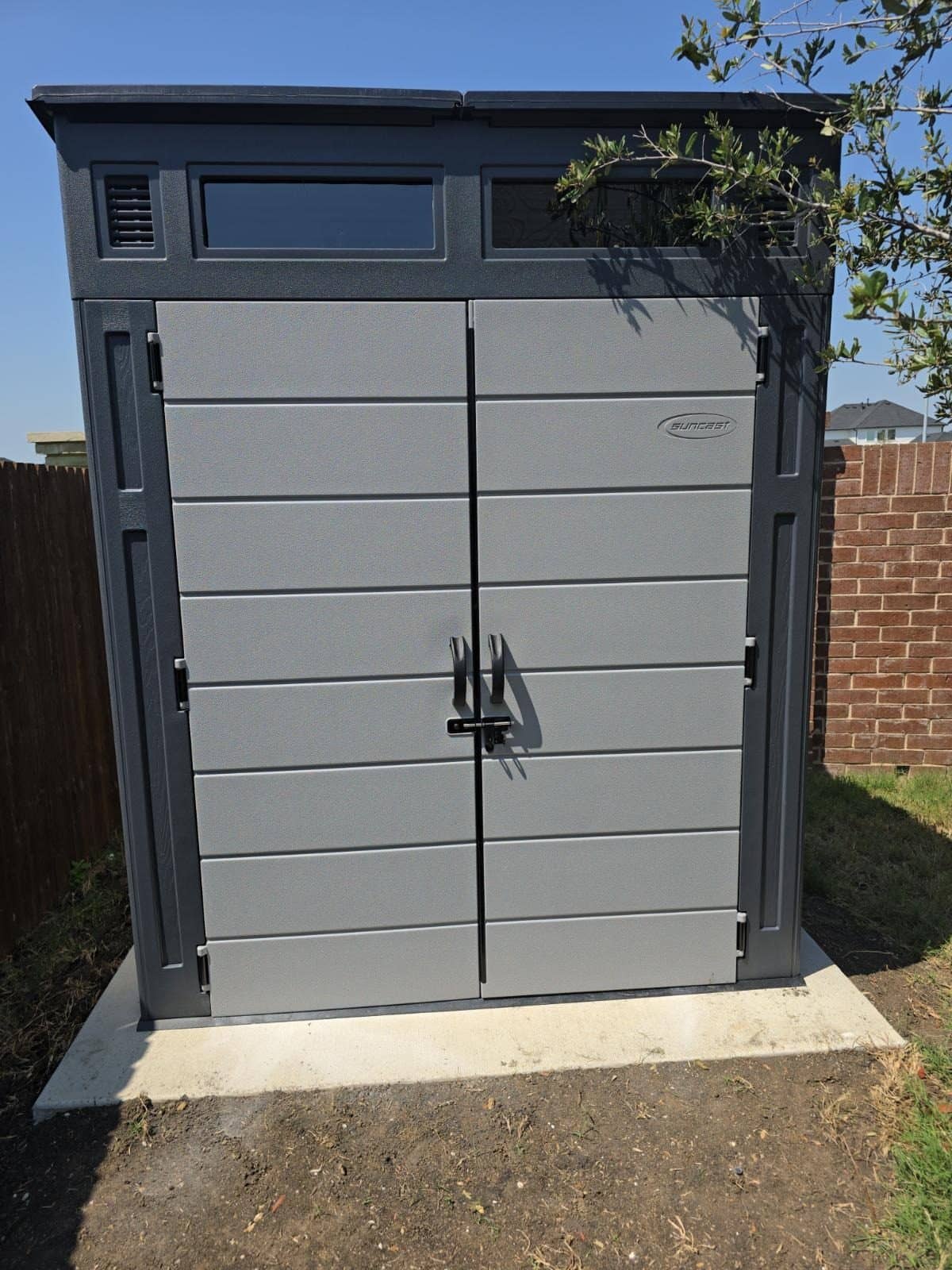
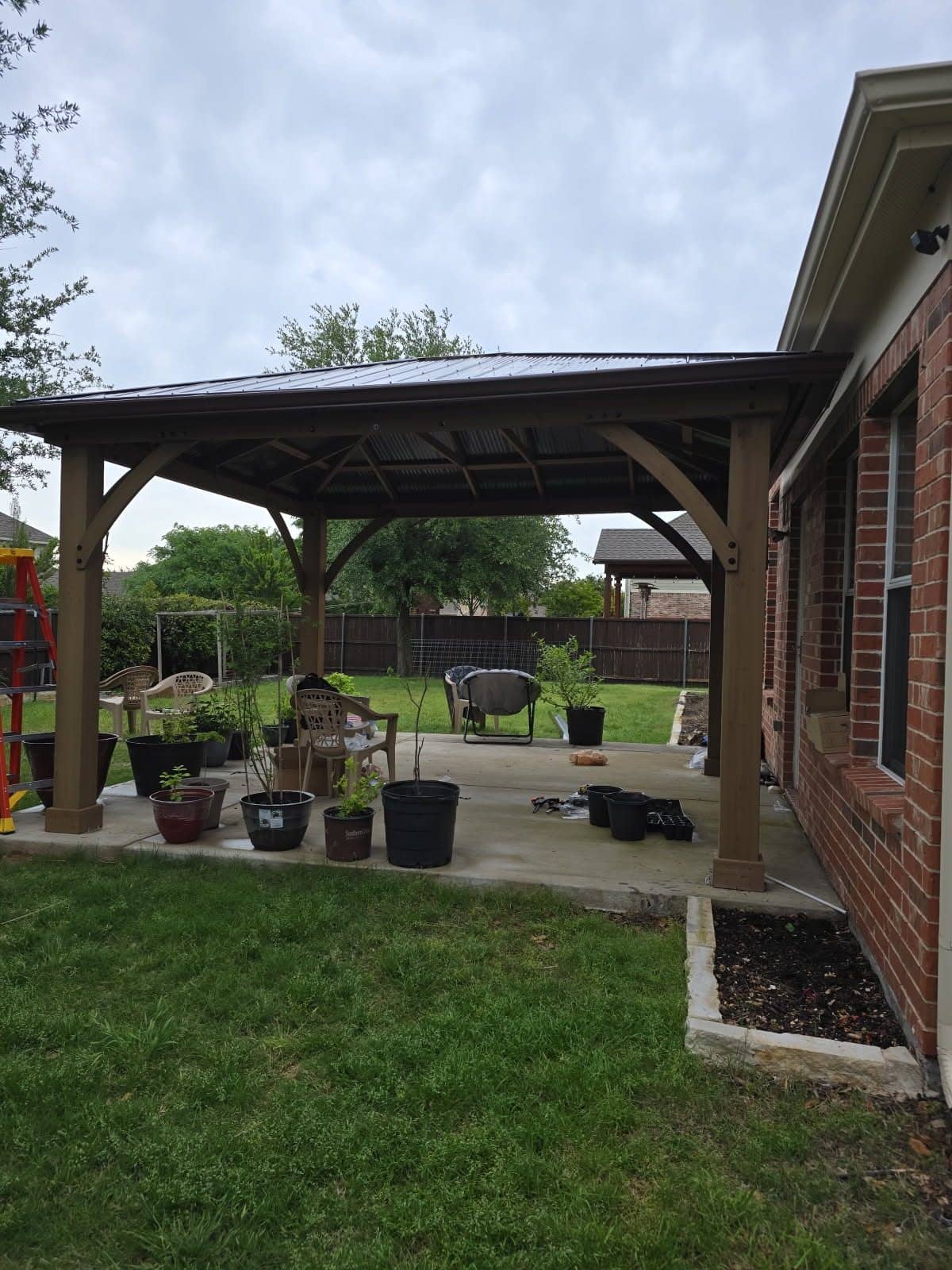
Not if it's small. In Dallas a one-story detached shed or playhouse up to 200 square feet on a single-family lot needs no building permit, and neither does a detached patio cover under 200 square feet. Attached, or bigger, and it does. That's a looser line than most suburbs draw. Deed restrictions or an HOA can still say no where the city says yes, and in a Landmark district the certificate comes first regardless.
Which parts of Dallas do you cover?
All of it, from the 1930s estate lots of Preston Hollow to the towers of Uptown and the hills of Lake Highlands, where streets rise and fall by about 50 feet. Next door we also work in Irving, Carrollton, Garland and Plano.
Before you book
Text the list with a photo or two. If you're in a Landmark or Conservation district and the job is outside, mention it.
Call (469) 577-1791Yes, carefully. Plaster cracks if you drill it like drywall, so holes are started slowly with a sharp bit, and heavy things go into the framing behind. Not sure what you've got? Knock on it. Plaster sounds solid and flat; drywall sounds hollower.
With masonry anchors and a hammer drill. Hand-laid stone is uneven, so the mount sometimes needs spacers to hang flat. The cables run down the face in a painted cover rather than through the stone.
Yes, though the building sets the terms more than we do: which elevator, where to park, whether it wants paperwork first. Send its contractor rules when you book.
Indoors, nothing. For exterior work we wait until the Certificate of Appropriateness is in hand, and the quote says which parts depend on it.
Recent jobs