Handyman in Garland, from wall patches to sheds the city will allow
Patches and paint for older walls, and straight answers in a city that turns away resin sheds. Photos of the list get you a price within 24 hours.
Most of Garland's houses went up between 1960 and 1990, so a handyman list here tends to start with a wall, a doorknob hole say, or a crack running up from the corner of a door frame. We patch those, and someone usually remembers the TV or the bookcase while we're there, which is the whole point of a handyman visit. Out back, the city has opinions.
Drywall repair in Garland's older houses
The median home here was built in 1978, and more than a quarter of the city's housing went up in the 1970s alone.
Drywall repair on walls that age is part archaeology: a blank plate where the phone jack was, anchor holes from the bracket that held a tube TV, a dent behind the door whose stopper went missing in 1990-something. Plenty of drywall from those years was hung with nails, too, and as the framing shifts the heads push back out as round bumps in the paint. We set each one and drive a screw beside it.
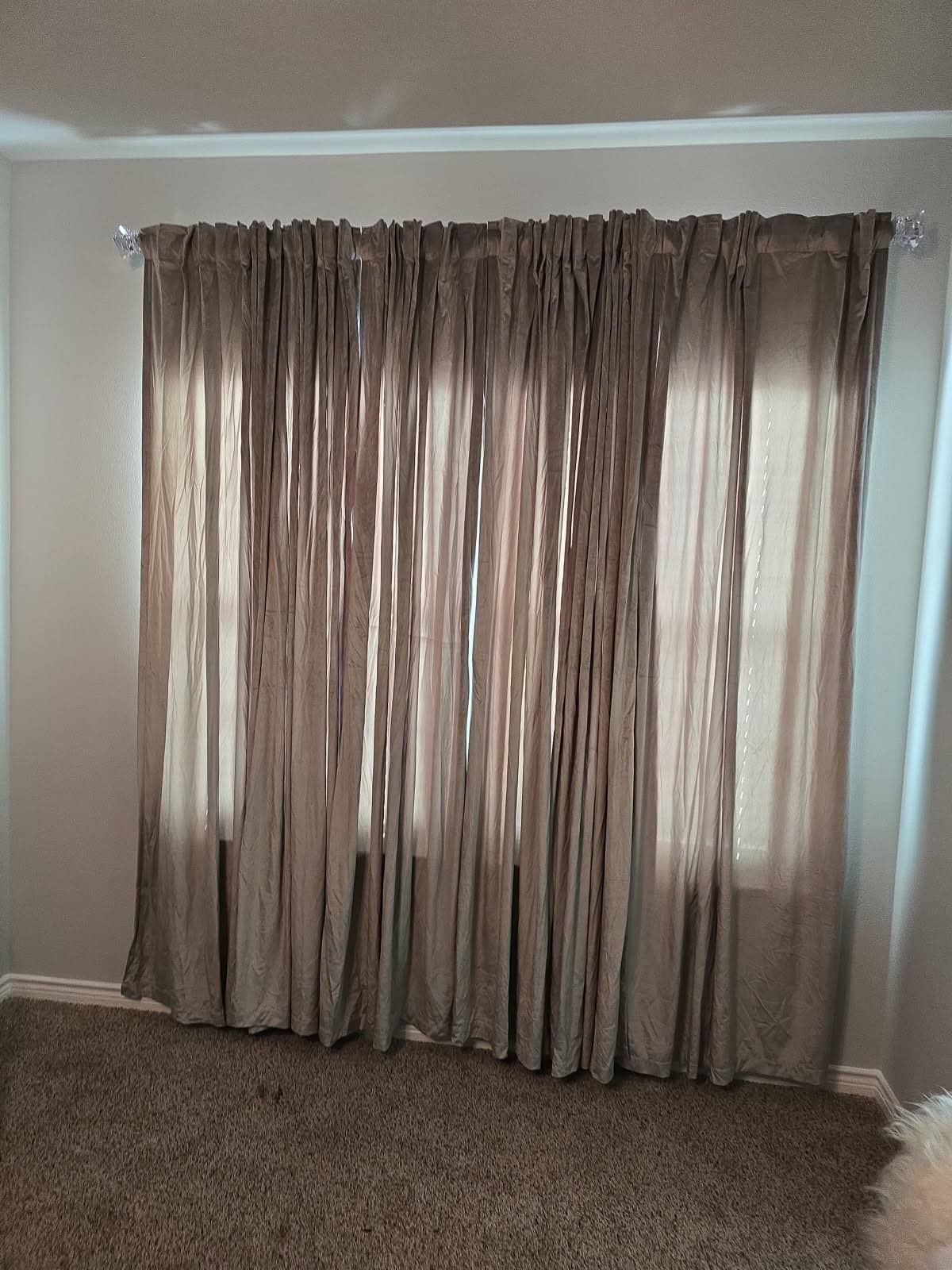
Matching the texture takes longer than the patch, because a smooth square in orange peel or knockdown shows from across the room. Paint is what people underestimate. On a wall last painted ten years ago, fresh paint over a patch shows however good the texture is, and you're better off repainting the wall, which we can do as interior painting on the same visit.
Those door-frame cracks are the other regular. North Texas clay swells after rain and shrinks in a dry August, the slab moves with it, and the drywall tears at the corners. We tape and bed those properly. Caulk in a crack just splits again. If a door started sticking at the same time, call a foundation company before us. Ceiling stains are the same idea with water: we patch after the plumber or roofer has stopped the leak and the board has dried, not before, or the stain is back by summer.
Can a shed in Garland be resin or vinyl?
No, and it's the rule to read before ordering. The city won't allow an accessory building made of unpainted wood, tin, plastic, plain concrete block, corrugated metal, canvas or vinyl. A resin shed is plastic, whatever the box calls it, so most of the resin sheds sold at the big box stores can't go up here. If you like the look of a cedar kit, plan on a can of paint.
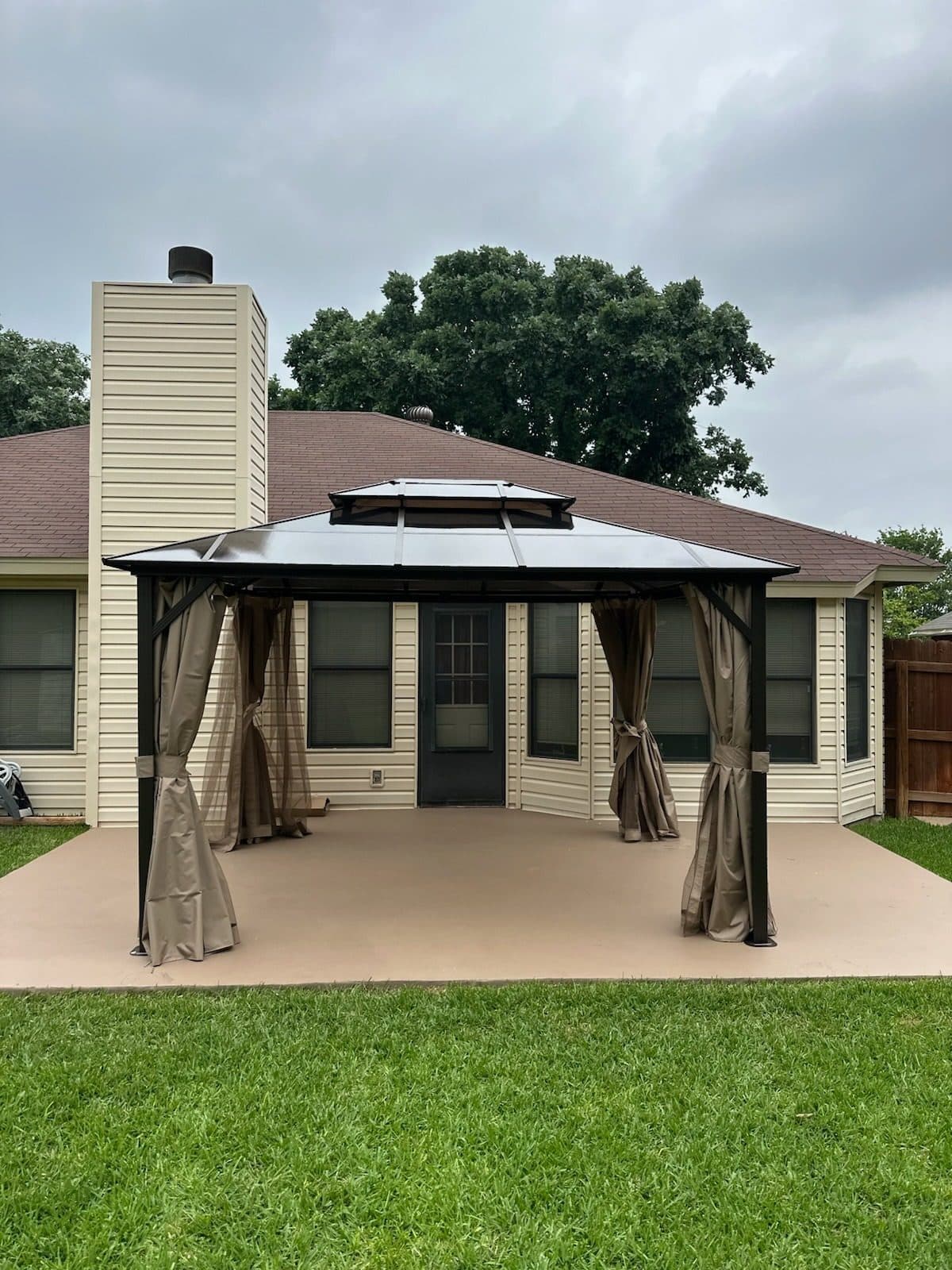
Gazebos count as accessory buildings, and roofs can't be corrugated metal, plastic or canvas, so the canvas soft-top is out too. Shingles on a 2:12 pitch or steeper are fine, and so are some metal panels.
Garland's 20-square-foot line
Anything over 20 square feet needs a building permit here. That's a 4 by 5, which holds a mower and not much else. Dallas lets a shed reach 200. The line covers gazebos and detached patio structures as well, so nearly every shed or gazebo kit needs one first, and we build once it's in hand.
Behind the house, a shed sits at least 3 feet from the side and rear lot lines, and on a corner lot it keeps the house's street-side setback, typically 20 feet. Past 144 square feet the rules tighten: 6 feet clear of the house, any untreated wood in the runners 6 inches off the ground, and tie-downs at each corner unless it's fixed to a foundation. A 12 by 12, at exactly 144, is the easy size. We assemble on the base that's there and anchor into it, and where there's only grass, a concrete crew has to come before we do.
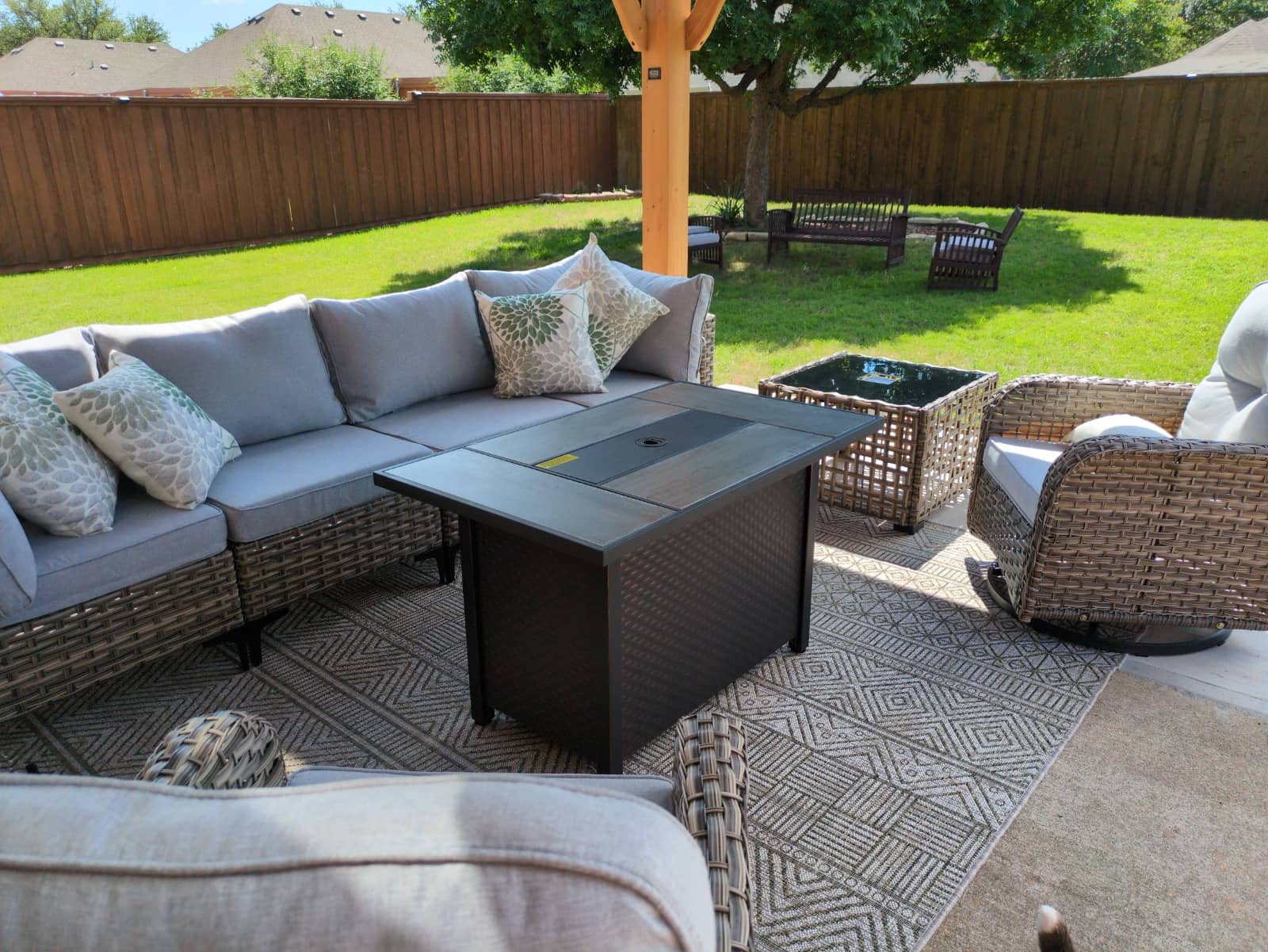
Patio covers need a permit at any size, and metal ones must be engineered, so if an aluminum louvered pergola is in your cart, ask the city what it counts as first.
While you wait, keep the boxes off the grass. Code compliance wants building materials stored outside at least 6 inches off the ground, and a kit fanned out across the lawn for three weeks is asking for a letter.
What moves the price on a Garland list?
Send a photo of each job, a close-up of the texture beside any patch, the model number or a link for anything boxed, and a wide shot of where an outdoor kit will go. Within 24 hours you get one price for the whole list, and nothing is booked until you say yes.
In houses this age the walls move it most. A doorknob hole is one patch, while a ceiling section after a leak means several coats with drying time between each. A TV on drywall is quick once the stud is found, slower on brick, and eight flat-pack boxes take longer than two. Outside it's the base the posts anchor into, the size of the kit and how far we carry it. Backing onto an alley helps, since the back gate is a shorter walk than round the side. If the HOA wants to see plans, that goes into the timing too. And if we find something the photos missed, like plaster where it looked like drywall, we stop, and nothing extra happens until you've decided.
One technician, sometimes two
Patches and a TV take one technician. A 10 by 12 hardtop gazebo gets two, because nobody should lift that roof alone. Every technician is background-checked and carries their own liability insurance. If something we did isn't right afterwards, say a patch that shows when the evening sun rakes across the wall, tell us and we send another technician to finish it.
An outlet behind the TV, a fan or any wiring is for a licensed electrician, and gas, HVAC and tree work have crews of their own. So do fences, which here need a permit to change height, location or material.
From Travis College Hill up to Firewheel
The oldest houses are near downtown, where Travis College Hill, a dozen homes on land platted in 1913, was the city's first listing on the National Register. There's no design review for houses, listed or not. Club Hill Estates, by Eastern Hills Country Club, was started in the early '70s and is ranch-house country. North Garland, around Firewheel Town Center (opened 2005), is where the 2000s building went, and the lists from up there are mostly TVs and furniture.
Over the city line
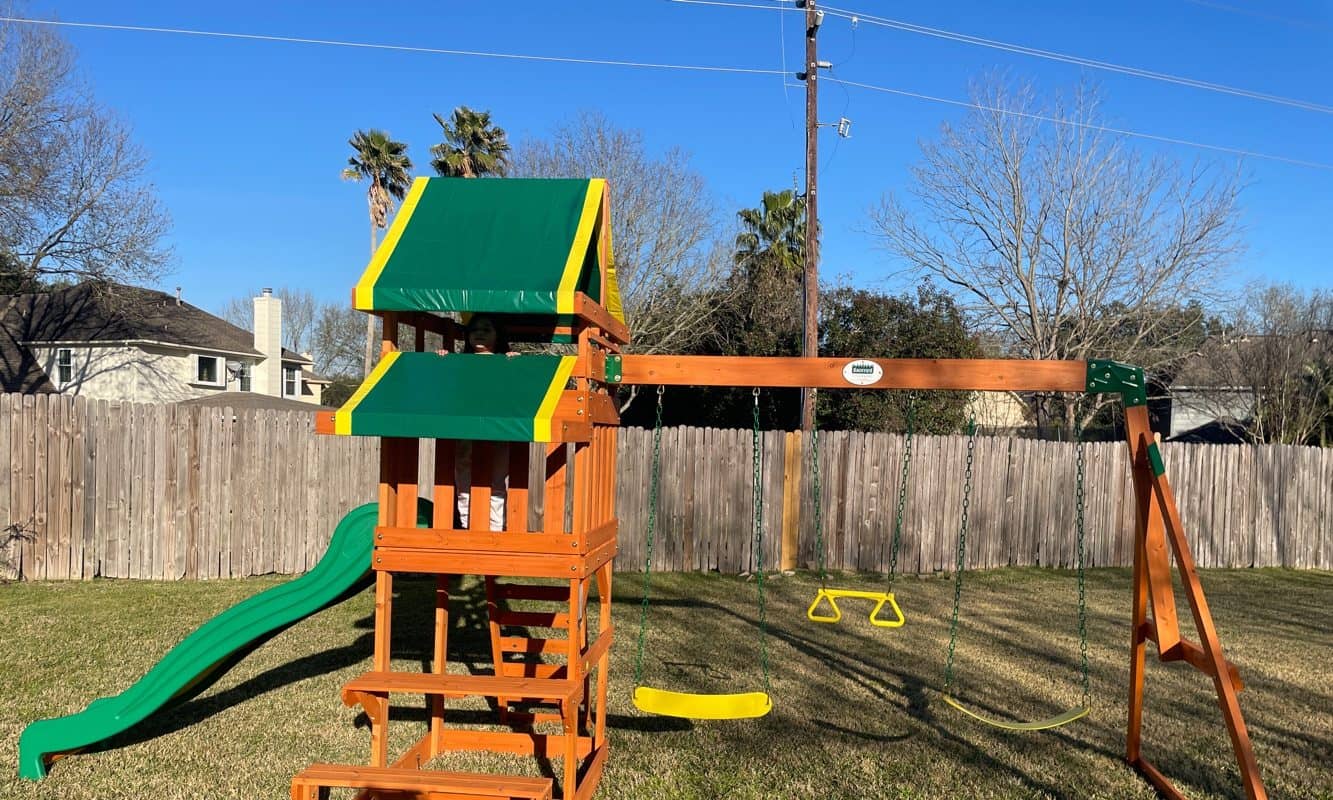
We also go to Richardson, Sachse, Wylie, Rowlett and Mesquite, and Dallas and Plano have pages of their own. TV mounting covers brick, and playsets live under outdoor assembly.
Before you book
For a shed or gazebo, send the product link too, and we'll check it against the city's materials list before it ships.
Call (469) 577-1791It can, and the city leaves that part to you. Deed restrictions and HOA rules aren't in its permit review, so email the board before the kit ships.
Depends on the roof. Corrugated metal is out, but the city's patio cover page lists metal panel types it does accept (R, U, S-36, 72 and A), so check the spec sheet. The permit application settles it.
We do, and in the older streets near downtown. Put the nearest cross streets at the top of the list.
Often, if it's sound and the new footprint fits, and we anchor into it. Over 144 square feet the shed has to sit 6 feet from the house, wherever the old slab was poured.
Yes. Plumbers cut those expecting someone else to close them. Send a photo once the wall has dried, with the texture around the hole in the shot.
Either. If you'd rather paint it yourself, we leave it primed.
Work we do