Handyman in Watauga for 1970s and '80s houses
Watauga is built out and middle-aged, and it wants a permit for every shed and playhouse. Send what needs doing and one price comes within 24 hours.
Nearly every house in Watauga is about forty years old, and a handyman visit in Watauga is mostly about what forty years does to a house. There's mounting and assembly too; everything we do is on the handyman services page.
How old are Watauga's houses?
Most were built between 1970 and 1989. The median is 1984, and fewer than 250 homes have gone up since 2010, because the city is about 96 percent developed. Nearly all of it is single-family and most is owner-occupied. The list that goes with that: doors that have settled out of line, caulk that has given up, towel bars on anchors that were never quite enough.
Does a playhouse really need a permit in Watauga?
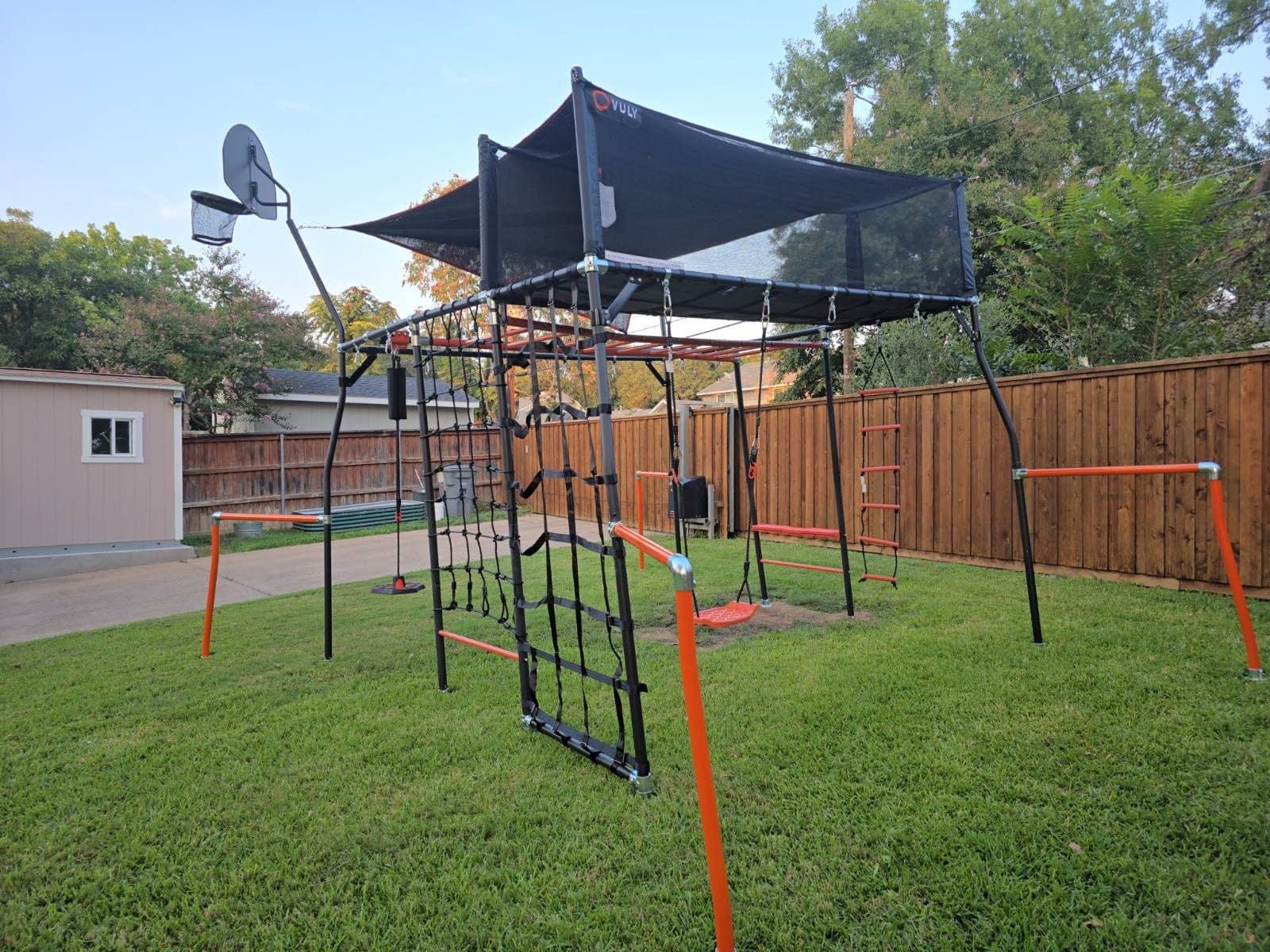
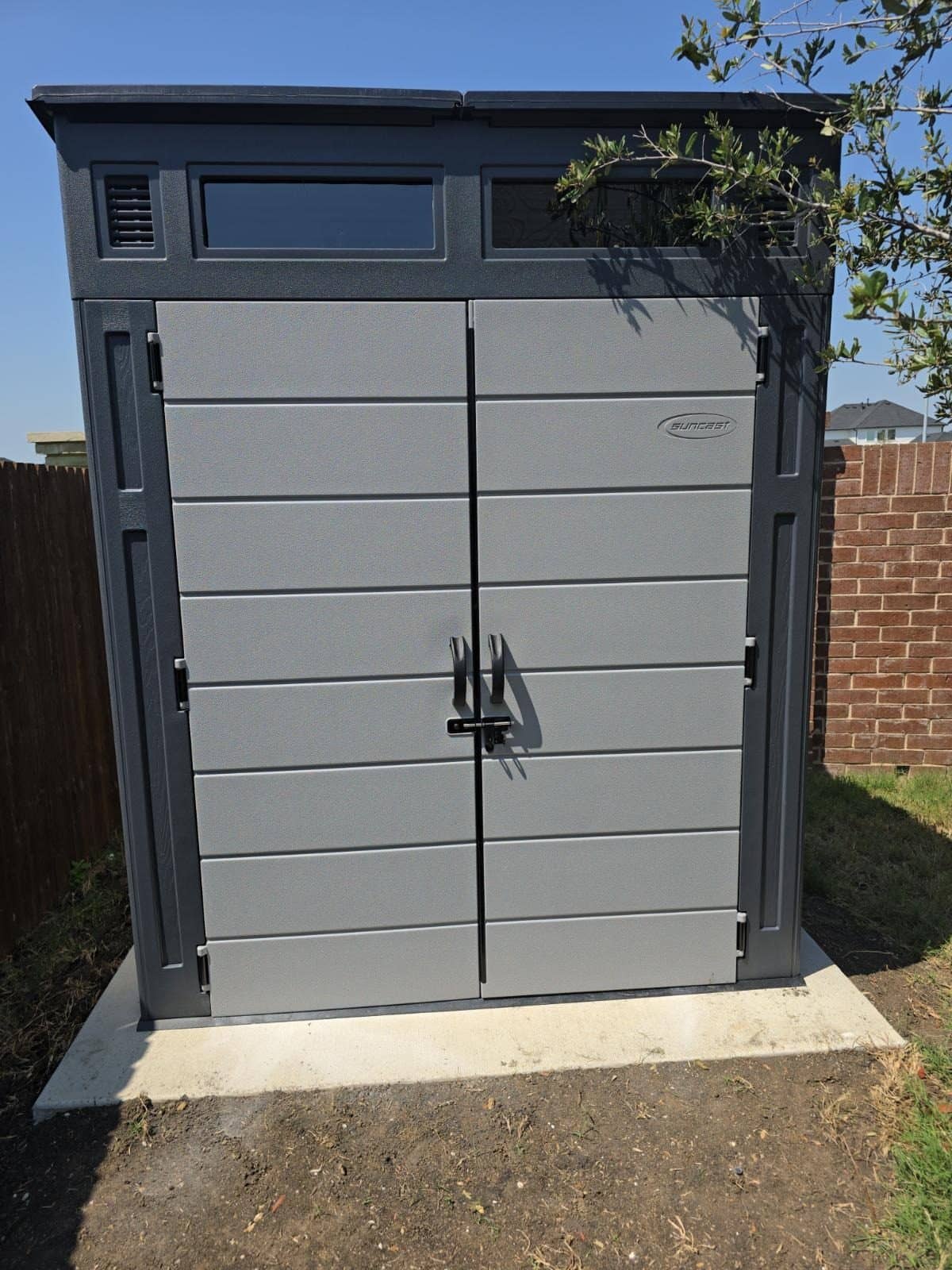
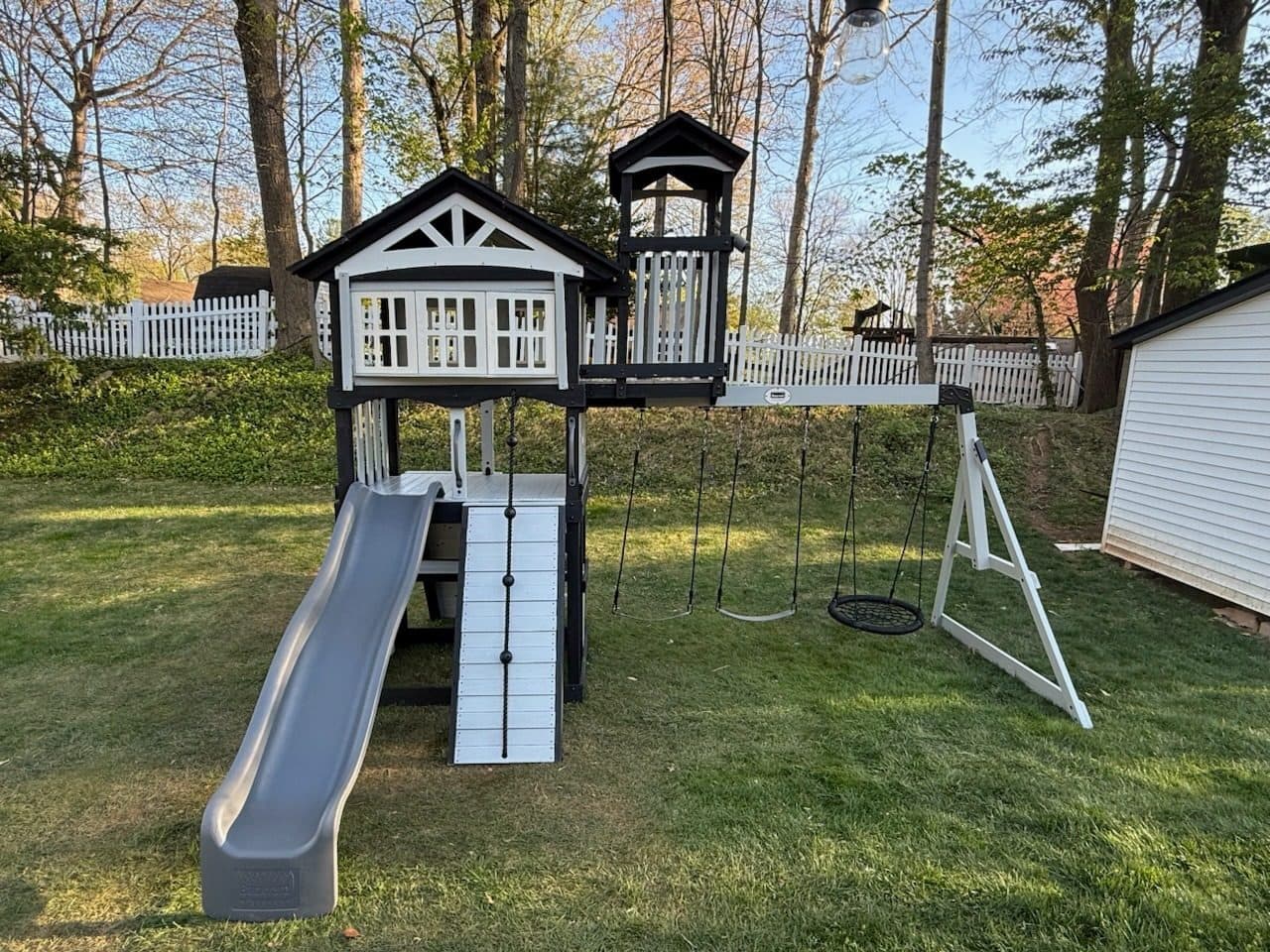
Yes. Watauga amended its building code so that tool sheds, storage sheds and playhouses need a permit whatever their size, which is stricter than Keller next door, where 120 square feet and under is exempt. Portable buildings with no foundation can be up to 320 square feet and 12 feet tall, two per lot, 5 feet from the side and rear lines and 15 feet from the house.
Which neighborhoods do you cover?
All of it. Foster Village in the northeast, built from the mid-1970s into the '90s around Foster Village Park. Park Vista, with the Whites Branch Creek trail running through it. The Hillview Addition south of Bursey Road. Watauga sits between Keller, North Richland Hills, Haltom City and Fort Worth, mostly east of US 377 and west of Rufe Snow Drive, and we cover Keller, Fort Worth and Euless as well.
Before you book
Send the list and a photo of each item. If there's a shed or playhouse on it, include the product link.
Call (469) 577-1791A playhouse does, by name. A swing set is less clear. Ask the city's building department with the model number before you order, and we'll build it once you know.
Yes. On a foundation it counts as permanent: 12 feet tall at most, behind the house, 5 feet off the rear line and no more than half the rear yard. Without a foundation it's portable and follows the 320-square-foot, two-per-lot rule.
Once the first floor reaches 200 square feet, a building has to meet its zoning district's masonry requirement, which is 90 percent for houses in the main residential districts. Most kit sheds come in under that size.
Recent jobs